

Honouring a Life Well Loved: Navigating the Final Goodbye with Your Pet
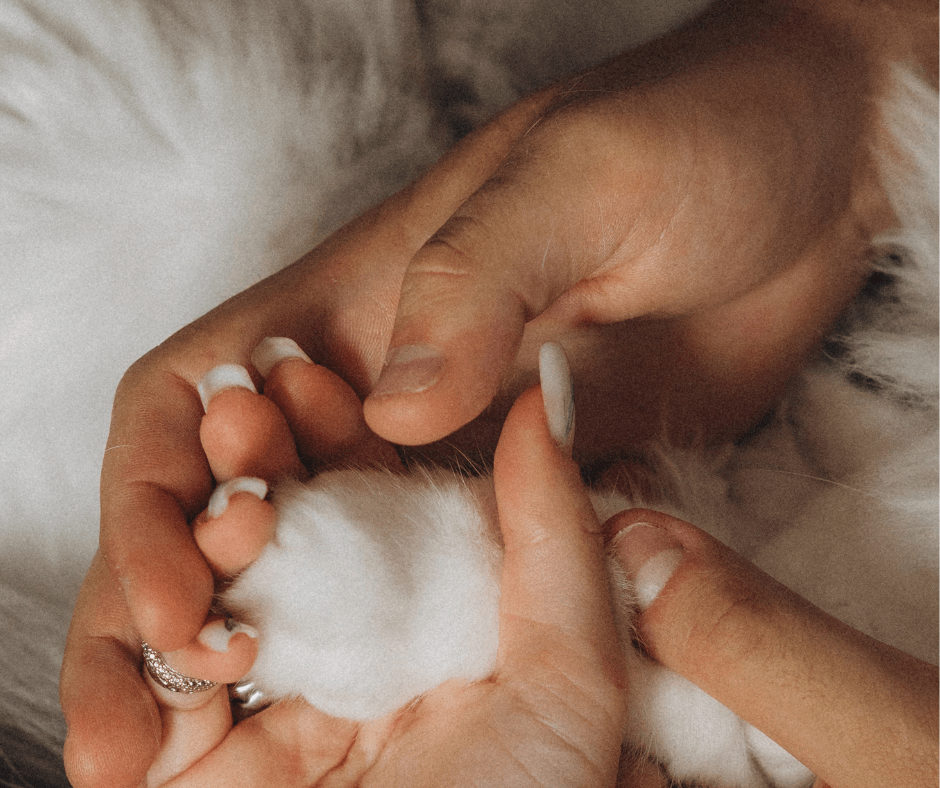
Few decisions we make as pet owners are as difficult as saying goodbye to a much-loved companion.
Our pets are part of the family, woven into the rhythm of our everyday lives. They greet us at the door, sit beside us in quiet moments, make us laugh when we need it most, and offer a kind of unconditional love that is impossible to measure. So, when the time comes to consider their final goodbye, it can feel overwhelming, heartbreaking, and deeply unfair.
If you are facing this moment with your pet, please know that you are not alone.
Knowing when the time is right
One of the questions many owners ask is, “How will I know?”
The truth is, there isn’t always a clear answer. For some pets, there may be a gradual decline linked to age, mobility, appetite, or ongoing illness. For others, there may be a sudden change that makes the decision feel urgent. Often, it is not about one single bad day, but the overall picture of your pet’s comfort, dignity, and quality of life.
You may notice that your pet is no longer enjoying the things they once loved. They may struggle to move around, seem withdrawn, have difficulty breathing, stop eating, or appear to be in pain despite medication and support. These changes can be distressing to witness, especially when your heart wants to hold on just a little longer.
Speaking with your vet can help bring clarity during this emotional time. A gentle, honest conversation about your pet’s condition, comfort, and prognosis can help you make a decision that comes from love, not fear.
What matters most is your pet’s wellbeing. Choosing a peaceful goodbye before suffering becomes too great is not giving up. It is a final act of love.
What to expect
For many owners, part of the fear comes from not knowing what the process will involve.
Our veterinary team will always aim to make the experience as calm, respectful, and peaceful as possible. Some owners prefer to be present during euthanasia, while others prefer not to. There’s no right or wrong answer.
It can also help to think in advance about who you would like to be present. Some people want the whole family there, while others feel more able to cope with one trusted person by their side. If children are involved, it may be helpful to prepare them gently and honestly, using simple language that is appropriate for their age.
If you wish to be present, you will be given time to sit with your pet, to say goodbye in your own way, and to ask any questions you may have. Some owners want quiet and privacy. Others prefer to talk, cry, or simply hold their pet close. There is no right or wrong way.
Your pet will be handled with gentleness, dignity, and care throughout. The process itself is very peaceful, allowing your pet to drift away without pain. While this does not take away the heartbreak, many owners find comfort in knowing their pet’s final moments were calm and peaceful.
What happens after
You will be asked to think about aftercare options, such as communal cremation or individual cremation with ashes returned. Some owners take comfort in choosing a casket, urn, paw print, fur clipping, or another keepsake. Others prefer to keep things simple. There is no expectation, and no correct choice, only what feels right for you and your family.
If possible, allow yourself a little time to think. Talk with a partner, family member, or friend. Write down any questions you may want to ask your vet. In such an emotional moment, it can be difficult to take information in clearly, so having support around you can make a real difference.
The grief that follows
Losing a pet can leave a huge space in your life.
Grief after the loss of an animal companion is real, valid, and often profound. You may feel sadness, guilt, anger, numbness, or even relief that your pet is no longer suffering. Many people experience all of these emotions at different times. None of them makes you a bad owner. They simply reflect how deeply you loved your pet.
Try not to judge your grief or compare it with anyone else’s. Some people may not fully understand the depth of the bond you shared, but that does not make your loss any less significant. Pets are with us through the ordinary days as much as the milestone moments. Their absence can be felt everywhere.
It may help to talk about your pet, look through photographs, create a memory box, plant something in their honour, or make a donation in their name. Small rituals can bring comfort and help you honour the life you shared together.
And if your grief feels especially heavy, please reach out. Speak to family, friends, our veterinary team, or a pet bereavement support service. You do not have to carry it alone.
A final gift of love
As painful as this moment is, there is something deeply compassionate in choosing peace for a pet who has given you a lifetime of loyalty and love.
Saying goodbye does not erase the years you shared. It does not lessen the joy, the comfort, the laughter, or the bond. Instead, it honours it. It says: you mattered, you were cherished, and you will always be loved.
Our pets trust us throughout their lives. In the end, they trust us with this, too. And though the goodbye may break your heart, the love remains. Always.