

Keeping Your Senior Pet Happy: A Practical Guide for Loving Pet Owners
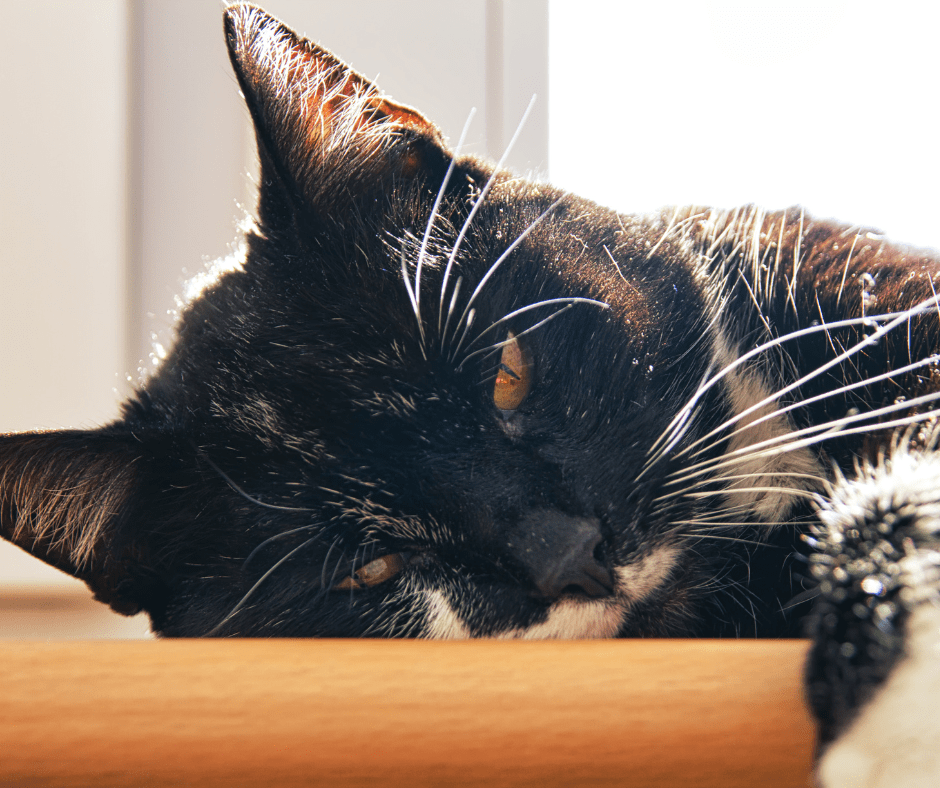
There’s something uniquely special about sharing life with a senior pet. The grey whiskers, the slower strolls, the deeper bond; you’ve earned that closeness together. And while ageing brings changes, it doesn’t have to mean a less joyful life. With a few thoughtful adjustments (and the right veterinary support), your older dog or cat can stay comfortable, engaged, and happy for years.
Below are some simple, pet-owner-friendly ways to support your senior companion, without turning your routine upside down.
1) Learn what “senior” really looks like for your pet
Pets age faster than we do, but “senior” can mean different things depending on size and species. Many cats are considered senior around age 10, while dogs may be “senior” anywhere from 7 onwards (often earlier for large breeds). The key is to watch for subtle changes, because pets don’t always show discomfort in obvious ways.
Common early signs of ageing include:
- Stiffness when getting up, hesitating on stairs, slower on walks or avoiding jumping
- Sleeping more and playing less
- Weight gain or weight loss
- Changes in appetite, thirst, or toileting habits
- Bad breath, drooling, or difficulty chewing
- Increased anxiety, clinginess, or confusion (especially at night)
If you’re noticing any of these, don’t panic; think of them as useful clues. Small changes are often easiest to manage when caught early.
2) Make your home senior-friendly
A few home tweaks can make a big difference in comfort and confidence, especially for pets with aching joints or reduced vision.
Try:
- Non-slip flooring: Place rugs or runners on slippery surfaces so your pet can move without fear of sliding.
- Comfy bedding: Choose supportive beds (orthopaedic options for dogs are great) and place them somewhere warm and easily accessible.
- Easy access: Use ramps or steps for sofas, beds, or car entry; this helps protect joints long-term.
- Litter box upgrades for cats: Low-entry boxes can be a game-changer for arthritic cats.
- Night lights: Older pets can get disoriented in the dark; soft lighting helps them navigate calmly.
These are small changes that quietly reduce stress every day.
3) Keep them moving gently and consistently
Exercise is still important for senior pets, but the goal shifts from “burn energy” to “maintain mobility” and “support mental health.”
For dogs:
- Shorter, more frequent walks are often better than one long outing.
- Consider “sniff walks,” where your dog can take their time exploring scents. This is great enrichment with less physical strain.
For cats:
- Encourage movement with wand toys, slow “chase” games, and food puzzles.
- A few minutes here and there can help keep joints lubricated and muscles active.
If your pet seems reluctant to move, that can indicate discomfort. That’s a good reason to check in with us.
4) Nutrition matters more than ever
As pets age, their metabolism, muscle mass, and digestion can change. Some seniors gain weight more easily (which adds strain to joints), while others lose weight due to dental issues, chronic disease, or reduced appetite.
Helpful nutrition tips:
- Keep an eye on body condition, not just weight. You should be able to feel ribs under a light layer of fat.
- Support joint health. Many senior diets include added omega-3s and other supportive nutrients.
- Consider dental comfort. If chewing is difficult, wet food or softened kibble may help.
- Use treats strategically. Swap some treats for low-calorie options or use part of their meal as “treats” during training.
We are always available to recommend the right diet tailored to your pet’s health, lifestyle, and any specific medical needs.
5) Don’t forget the brain: enrichment keeps seniors joyful
Mental stimulation can brighten a senior pet’s day and may help to slow age-related cognitive changes.
Easy enrichment ideas:
- Rotate toys and introduce new textures and safe chews
- Food puzzles or “find it” games with treats
- Gentle training sessions (yes, older dogs CAN learn new tricks!)
- For cats: window perches, bird feeders outside, or short interactive play Even five minutes of engagement can make your pet feel more confident and connected.
6) Senior wellness checks: the best gift you can give
Senior pets benefit from more frequent check-ups because health changes can happen faster with age, and many conditions are far easier (and less expensive) to manage when caught early.
Have you noticed any of the following signs?
- Is your pet drinking more?
- Is your pet eating more or less than they used to?
- Has your pet lost or gained weight recently?
- Does your pet have smelly breath?
- Have you noticed any lumps or bumps?
- Have you noticed any changes in behaviour?
- Is your pet more reluctant to exercise?
- Does your pet find it more difficult to move around or jump on the sofa or bed?
If the answer is ‘yes’ to any of these questions, it may be a good idea to book in to one of our senior clinics.
At a FREE one-to-one session with a nurse at our Windsor hospital, your pet will receive a health check, and you will have the opportunity to discuss any concerns or worries you may have. Free urine analysis is also available, together with blood pressure testing. We can also take a quick blood sample for analysis at a discounted price.
You can learn more about this service here https://www.foresthousevets.com/services/senior-pets/
A final thought: happiness looks different in the golden years
Senior pets may not sprint like they used to, but they can still thrive with the right support. Look for your pet’s “happy signals”: relaxed body language, interest in food, curiosity on walks, seeking affection, and comfortable rest. Those are the true markers of quality of life.
With a little adaptation and a proactive plan, you can make your pet’s senior years some of their best.