

The Hidden Summer Hazard for Pets: Grass Seeds Explained
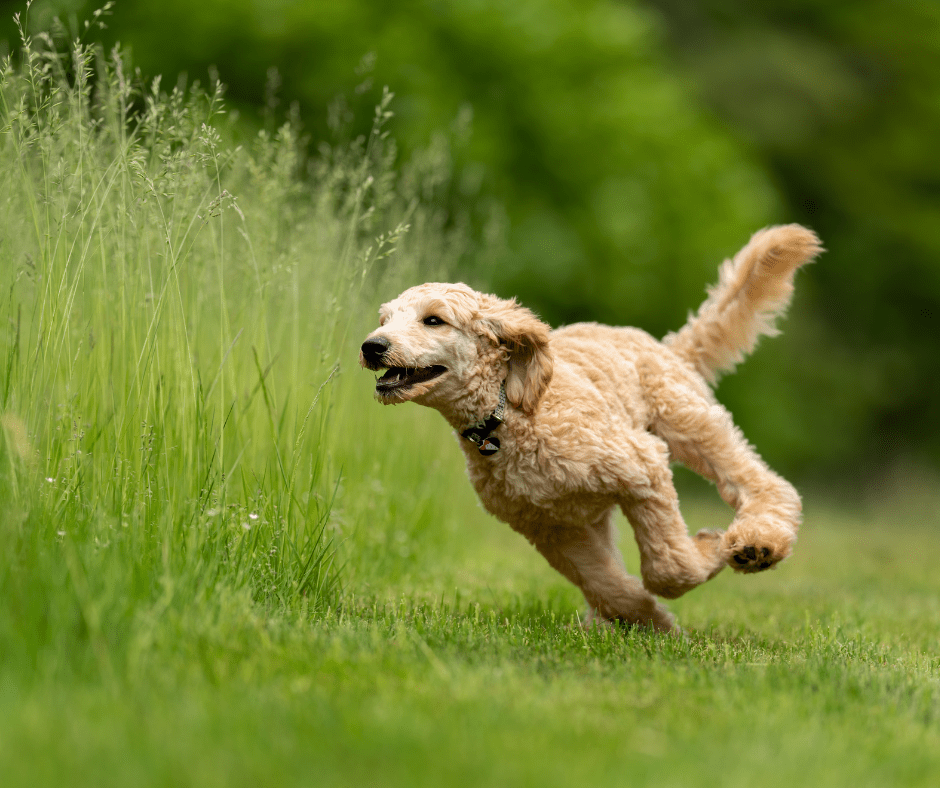
As we are now well and truly into summer, it is the perfect time to let our dogs off lead to explore the great outdoors. Even our feline friends are enjoying the extra hours of sunshine and making the most of the warmer weather.
However, did you know that one of the biggest summer hazards that we see in pets is grass seeds? This hidden issue is one of the most common problems that we see at the practice this time of year, so let’s lift the lid and explore why they are such a problem.
Grass Seeds: Why Are They Dangerous?
During the summer, long grasses in gardens and fields produce seed heads, allowing the grass to spread. Whilst this is good for nature, it’s not so great for our pets.
There are two types of grasses in particular that pose the biggest threat to our pets: Barley grass and Foxtail grass. This is due to the shape and appearance of the grass seed.
Grass seeds have barbed surfaces, with small, backwards facing barbs. These have a similar appearance to tiny fishhooks and allow the seed to attach to different surfaces. The problem with these barbs is that they allow the seed to move forwards, but not backwards.
Unfortunately, one of the most common locations for grass seeds to become embedded is within our pets’ paws. The hooks on the grass seed often aid in moving the seed deeper into the paw rather than working its way back out!
Grass seeds also have a tough, rigid surface that is shaped like an arrowhead. A sharp point is located at the tip of the seed, which progressively gets wider towards the middle. This makes it easy for it to pierce the skin or enter the ears, feet, nose, and even the mouth and eyes of our pets.
Grass Seed Implantation Locations
Grass seeds can implant themselves in a variety of locations across the body. These injuries are especially common in dogs who enjoy running through long grass and exploring undergrowth, although cats can also be affected.
The most common locations for grass seeds include:
- Between the toes
- Paw pads
- Nostrils
- Both the inner and outer part of the ears
- Eyes
- Mouth
- Lower legs
- Tail
If your pet is prone to running through long grass, we recommend checking these areas routinely for any signs of redness, swelling or irritation. If you are worried, book an appointment with us as soon as possible.
Grass Seed Treatment
The treatment for grass seeds can vary depending on what location the seed has embedded itself into.
If the grass seed can be visualised, then it can often be removed with forceps. In many instances, we can locate an entry wound which indicates where the grass seed may be. Gentle pressure can be applied to this area, and the grass seed can sometimes appear from the wound and be removed. However, we recommend not to try this at home as it can cause the grass seed to break or travel further into the tissues.
In some cases, sedation may be required in order to better examine the wound. Sometimes, our pets may find the removal of a grass seed to be a little uncomfortable, so sedation helps to keep them calm and comfortable whilst the extraction takes place.
In severe cases, a grass seed can migrate from the entry point further into the body and tissues, so further diagnostic imaging and surgery may be required.
Depending on the severity of the grass seed implantation, anti-inflammatory medication may be required, along with antibiotics.
Signs To Look Out For: Grass Seed Implantation
Although grass seeds are small, they can cause a significant amount of pain and irritation. Symptoms of having a grass seed can vary, but the most common signs include:
- Licking or chewing paws
- A sudden limp
- Swelling, redness or a small lump between the toes
- Constant shaking of the head
- Scratching the ear
- Rubbing their ear and face along the floor or furniture
- Excessive blinking
- Holding an eye closed
- Discharge from the nose
- Repeated sneezing
- Excessive salivation
- Reluctance to eat
- A persistent wound that does not heal
There are some simple steps that you can take to reduce the risk of a grass seed injury.
- Avoid walking through long, dry grass.
- Keep the hair between your dog’s toes short and trimmed
- Check your dog and cat’s feet and between the toes routinely
- Groom long-haired breeds regularly
- Remove any grass seeds you find attached to your pet’s fur
Final Thoughts
Although grass seeds may be small, they can cause a big problem for our furry friends. The best way to prevent grass seed injuries is to follow our handy tips and routinely check your pet for any signs of implantation.
Your pet can still enjoy summer safely and explore to their heart’s content, but if you do notice a problem, it’s important to contact us as soon as possible.